Published September 28, 2026
How to rent out your Dominican Republic property while living in the US
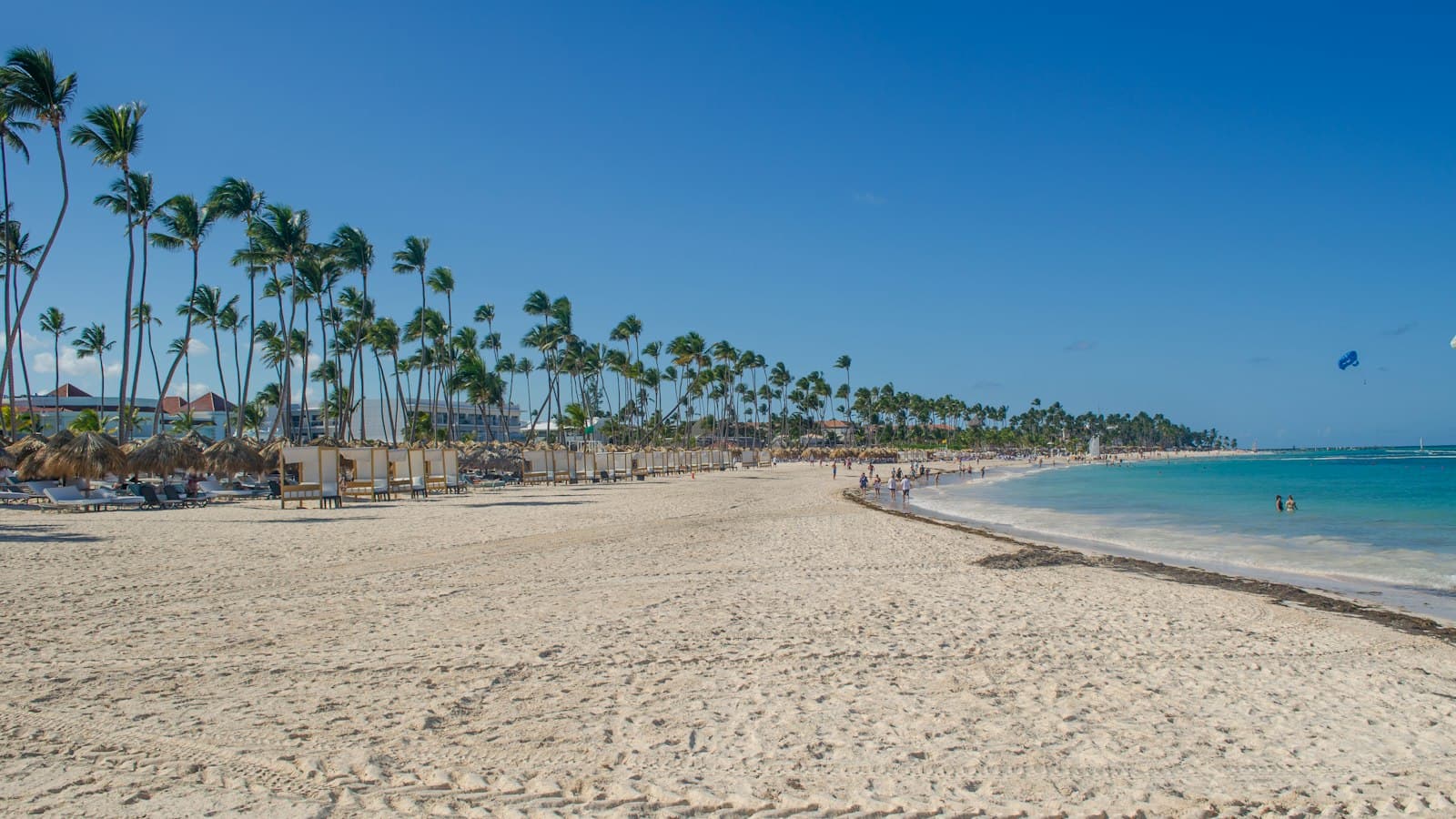
Can you run a rental in Santo Domingo or Puerto Plata while you live in New Jersey, Florida or Massachusetts? Plenty of Dominican families own an apartment or a house back home that sits empty most of the year. Renting it out can help cover the costs of keeping it, but distance turns every small task, from a leaking faucet to a late check-in, into a phone call.
This guide is for owners who live in the United States and want to rent out their property in the Dominican Republic. It covers what really changes when you host from abroad, how to build a reliable team on the ground, how money moves across borders, and how to set up a listing you can manage from your phone.
Key Takeaways
- Hosting from abroad works when the tasks that need hands on the island are clearly assigned to someone you trust.
- Write down how your property works: keys, water, power backup, trash, and who to call when something breaks.
- Decide early where you want your payouts to land, and ask a licensed accountant about taxes in both countries.
- A co-host can manage the day-to-day of a listing while you keep control of publishing, billing and payouts.
Table of Contents
- What changes when you host from abroad
- Build your team on the ground
- Getting paid across borders
- Running your listing from the US
What changes when you host from abroad
Hosting from a distance is mostly about splitting the work. Some tasks need a person in the doorway.
The work that still needs hands on the island
Someone has to clean between guests, restock basics, check that the air conditioning and the power backup work, and handle the unexpected: a lost key, a tripped breaker, a delivery that needs signing. Before you publish, be honest about who will do each of them and how quickly they can get to the property.
What you can handle from your phone
Many tasks travel well. You can answer guest questions, approve or decline requests, update prices, block dates when family is visiting, and reply to reviews from anywhere.
Build your team on the ground
Remote rentals work best with one clear point person on the island: a sibling, a cousin, a neighbor or a paid co-host.
Choosing a co-host or family member
Family help often works well, but it gets awkward when expectations are vague. Treat it like a small business agreement, even with relatives. Talk about:
- Which tasks they handle and which ones stay with you.
- How and how much they are paid, whether per stay, per month or another way.
- How fast they can respond if a guest has a problem.
- Who covers for them when they travel or get sick.
Put it in writing, even as a short shared note.
Write down how your property works
Your team and your guests both need the same basic information. Build a simple house manual and keep it updated:
- Keys and access: where the keys are, who holds copies and how guests get in.
- Power and water: whether there is a generator or inverter, where the cistern or water tank is, and what to do during an outage.
- Trash and building rules: pickup days, condo rules for visitors and parking.
- Emergency contacts: your point person, a trusted plumber and electrician, and the building administration.
- Turnover checklist: what gets cleaned, restocked and checked before every arrival.
Getting paid across borders
A little planning about money up front saves you headaches later.
Where the money lands
Think about whether it makes more sense for rental income to land in a US account or in a Dominican account in pesos, and confirm during payout setup which options apply to your situation. The choice affects how you pay local costs like cleaning, utilities and condo fees. If you want the money in the US, plan how your team on the ground gets paid.
Stripe processing, bank fees, currency conversion and taxes may apply separately, on any channel.
Taxes in two countries
Owning a rental in one country while living in another raises real tax questions. This is not legal or tax advice. Talk to a licensed accountant who understands both US and Dominican rules, and ask them how your rental income should be reported in each country, what records you should keep, and whether you need to register the activity with the Dominican tax authority. For general background on the country, see the overview of the Dominican Republic.
Running your listing from the US
Here is how the pieces fit together on SimpleStay.
Co-hosts and control
You can invite a co-host by email for each property. Your co-host gets their own Co-Host dashboard and can manage details, photos, pricing, availability, bookings and messages. They cannot publish the listing, handle billing or change payouts, so those stay with you. You choose Instant Book or approve each request yourself, and a real-time Inbox opens as soon as a booking exists, with notifications in your language.
Payouts, pricing and the trial
Guests pay by card through Stripe Checkout, so you never handle card data. Payouts run through Stripe, which supports hosts in 122 countries, and Dominican bank accounts can receive pesos through Stripe Global Payouts. Where your money lands depends on the payout account you set up during Stripe onboarding, and funds are forwarded after the guest's payment settles, with timing that depends on Stripe, your country and your bank.
A listing costs US$50 a month per property, with 0% SimpleStay commission and unlimited bookings. The free trial follows the property's location, not yours: a property in the Dominican Republic gets 30 days, while properties located in the United States get 7 days. For a closer look at the cost, read our guide on flat monthly fees vs. booking commissions.
Your home on the island, run from anywhere
Renting out your Dominican property from the US comes down to three things: a trusted person on the ground, written instructions everyone can follow, and a clear plan for money and taxes. Get those right, and distance becomes a scheduling detail. No channel can guarantee bookings, but a well-run property gives guests fewer reasons to complain.
If you are ready to list, every new SimpleStay listing comes with a free trial: 30 days for properties in the Dominican Republic, or 7 days for properties located in the United States. After that it's US$50 a month per property. Cancel anytime.
List your property with a free trial
Frequently Asked Questions
Can I rent out my Dominican Republic property while living in the US?
Yes, many owners do. It works best when someone you trust on the island handles cleaning, keys and repairs, while you manage messages, pricing and bookings from your phone.
Do I need a co-host to manage my rental in the DR?
Not always, but it helps when you live abroad. On SimpleStay you can invite a co-host by email for each property. Co-hosts manage details, photos, pricing, availability, bookings and messages, and cannot publish, handle billing or change payouts.
Can I get paid in pesos into a Dominican bank account?
Dominican bank accounts can receive payouts in pesos through Stripe Global Payouts. Where your money lands depends on the payout account you set up during Stripe onboarding, and arrival timing depends on Stripe and your bank.
Which free trial applies if I live in the US but my property is in the DR?
The trial depends on where the property is located. A property in the Dominican Republic gets a 30-day free trial, while properties located in the United States get 7 days. After the trial, it's US$50 a month per property.
Do I have to pay taxes on rental income in both countries?
That depends on your situation, and this is not legal or tax advice. Ask a licensed accountant who knows both US and Dominican rules how to report the income, what records to keep and whether you need to register the activity locally.
