Publicado em 7 de outubro de 2026
How to write a listing description that helps guests decide fast
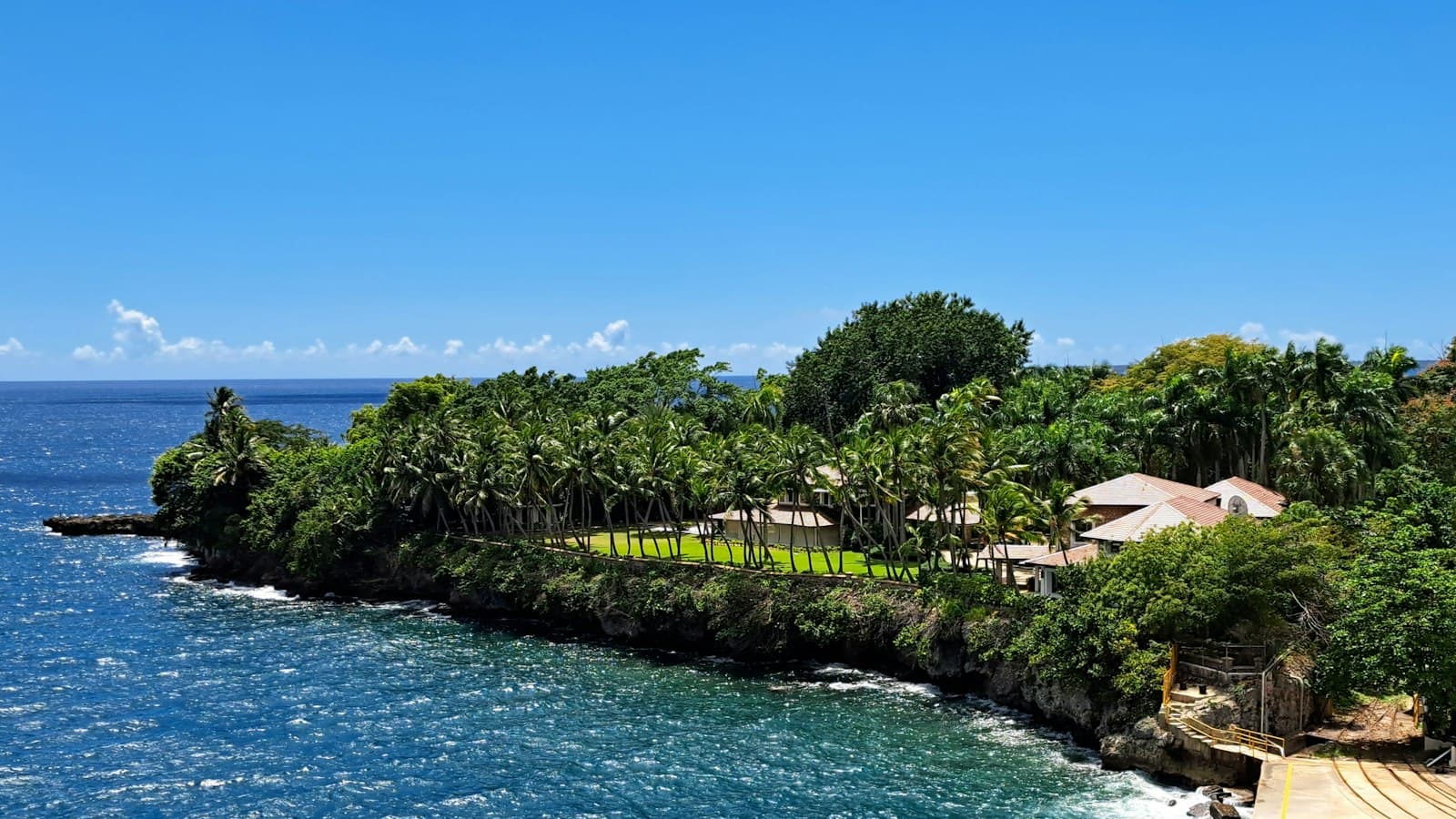
What does a guest need to read before they think "this is the one"? It is almost never a long paragraph about how cozy your apartment is. It is knowing how many people fit, where it is, how everyone sleeps and what they will find when they arrive.
A good description is not the prettiest one, it is the one that answers fast. This guide shows you how to organize your listing's title and text so guests can decide without sending you ten questions, with examples you can adapt to your own property.
Key Takeaways
- The title should say what the property is, where it is and its strongest point, in a few words.
- The first two lines of the description do the heavy lifting: capacity, location and the reason to choose you.
- Write in short, concrete blocks, with facts guests can check when they arrive.
- What is not included, or what might bother someone, belongs in the text too, said clearly and directly.
Table of Contents
- Start with the title and the first lines
- Organize the description in blocks
- Write clearly and without exaggerating
- Review your whole listing before publishing
Start with the title and the first lines
Guests see your title next to the main photo and decide whether to open the listing. That is why the title has to work like a label, not a slogan.
A simple formula for the title
Combine three pieces: property type, real location and one concrete feature. For example:
- "2-bedroom apartment in Naco with balcony and workspace"
- "Villa with private pool for 8 guests in Las Terrenas"
- "Studio in the Zona Colonial near Calle El Conde"
Avoid titles like "Paradise awaits" or "The best of the best". They tell guests nothing they can use and look like hundreds of other listings.
The first two lines
Many guests read only the opening before going back to the photos. Use those lines for the essentials: who the property is for, how many people fit and what makes it different.
Illustrative example. "Two-bedroom, third-floor apartment in Naco, a good fit for a family of four or two people working remotely. It has a desk with an office chair, air conditioning in both bedrooms and a backup generator in the building."
Organize the description in blocks
A wall of text is tiring on a phone screen. Split the description into short parts guests can scan. This order works for most properties:
- The space. Size or general layout, floor, view and atmosphere.
- How everyone sleeps. Each bedroom with its bed type, and whether there is a sofa bed.
- The kitchen and the practical side. Appliances, washer, water, wifi and workspace.
- The building or surroundings. Parking, elevator, gated entry, shared pool.
- The arrival. What the entrance is like and at what time, without giving the exact address.
- Good to know. Stairs, street noise, power cuts or condo rules.
Details that matter in the Dominican Republic
Guests coming to the DR tend to ask about the same things: whether there is a generator or inverter, whether the water comes from a cistern, whether the air conditioning covers every bedroom and whether the wifi holds up for video calls. If you have the answer, put it in the description. Every question you answer in advance is one less message and one less doubt. If you manage the property from the US around a full-time job, every answer already in the text is one a guest does not have to wait for.
The neighborhood, with facts you can stand behind
Name the neighborhood or area and describe what is around it without exaggerating. If you are in the Zona Colonial, you can mention that it is a UNESCO World Heritage Site. Do not promise that an area is the best, that it is safe or that something is "five minutes away" if you have not checked.
Write clearly and without exaggerating
Big words make a listing sound like every other one. Concrete words make it sound like your property.
Swap adjectives for facts
Instead of "spacious", write "open living and dining area with a table for six". Instead of "excellent location", name the neighborhood and what is nearby. Instead of "fully equipped", say what is in the kitchen: stove, fridge, microwave, coffee maker and pots. Short sentences, one idea per line, in a friendly host-to-guest tone.
If you want to understand why short sentences and common words help, the idea of readability explains it well. For the trust side of writing for travelers from abroad, see our guide on writing a listing that earns the trust of international guests.
Say what it does not have
If there is no elevator, if there is construction next door or if the street gets noisy on weekends, say so. A guest who knows what is coming arrives with the right expectations. One who finds out on arrival may reflect it in the review, especially in the accuracy rating.
Review your whole listing before publishing
The description is one piece of the listing. Guests compare it with the photos, the amenities you checked and the rules, and everything has to match.
Make the text match the rest of the listing
In the SimpleStay editor you set the property type, bedrooms, beds, bathrooms and capacity, amenities, house rules, check-in and check-out times and the cancellation policy as separate fields. Check that the description does not contradict them. If you set capacity for four, do not write "perfect for groups of six". Guests see only the approximate area until they book, so describe the neighborhood without giving the exact address. If your photos are not ready yet, our guide on how to take vacation rental photos with your phone can help.
Read the listing on your phone
Open your listing on your phone and read it straight through, out loud. If a sentence is hard to say, shorten it. If guests ask you the same thing twice in messages, that answer is missing from the description. Update the text every time something changes at the property.
A description that saves messages
A clear description does not need decoration. With a title that says what the property is and where, first lines that answer the essentials and short blocks with real facts, guests decide faster and arrive with the right expectations. No text can guarantee bookings, but honest writing attracts the guest who truly fits your property.
When your description is ready, publish it on SimpleStay. Every new listing gets a free trial: 30 days, or 7 days for listings located in the United States. After that, it costs US$50 a month per property, with 0% SimpleStay commission. Stripe processing, bank fees, currency conversion and taxes may apply separately.
List your property with a free trial
Frequently Asked Questions
What should my listing title say?
The property type, the real location and one concrete feature, such as "2-bedroom apartment in Naco with balcony". Avoid generic phrases that give guests no useful information.
How long should my rental description be?
Long enough to answer the common questions, split into short blocks. The first two lines should cover the essentials: who it is for, how many people fit and what makes it different.
Should I mention my property's flaws?
Yes, clearly and without drama. If there is no elevator or the street is noisy, say so. Guests arrive with the right expectations and are less likely to be surprised.
Can I put the exact address in the description?
There is no need. Describe the neighborhood and what is nearby. On SimpleStay guests see only the approximate area on the map until they book, and then they receive the exact address.
How often should I update my description?
Every time something changes at the property, such as furniture, appliances or building rules. Also when you notice several guests asking you the same question, because that answer is missing from the text.
